Discover Manzoni
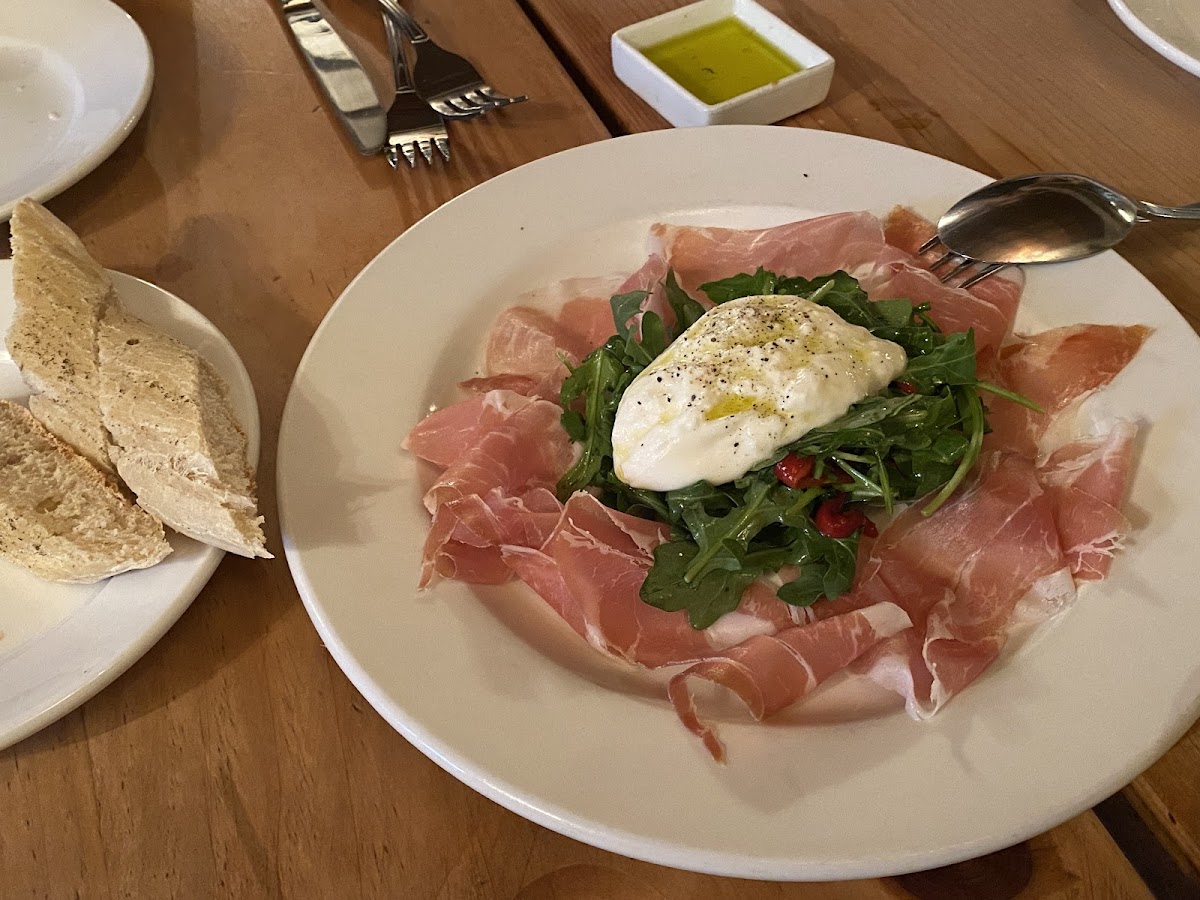
The first time I walked into Manzoni, tucked away at 2788 Diamond St, San Francisco, CA 94131, United States, I honestly didn’t expect much more than a decent neighborhood bite. Instead, I found myself staying almost two hours, chatting with the server about how they source produce from Bay Area farms and why their house-made focaccia is baked fresh every morning. That bread alone, airy inside with a crisp olive-oil crust, has become my personal benchmark for what a small Italian diner should be serving.
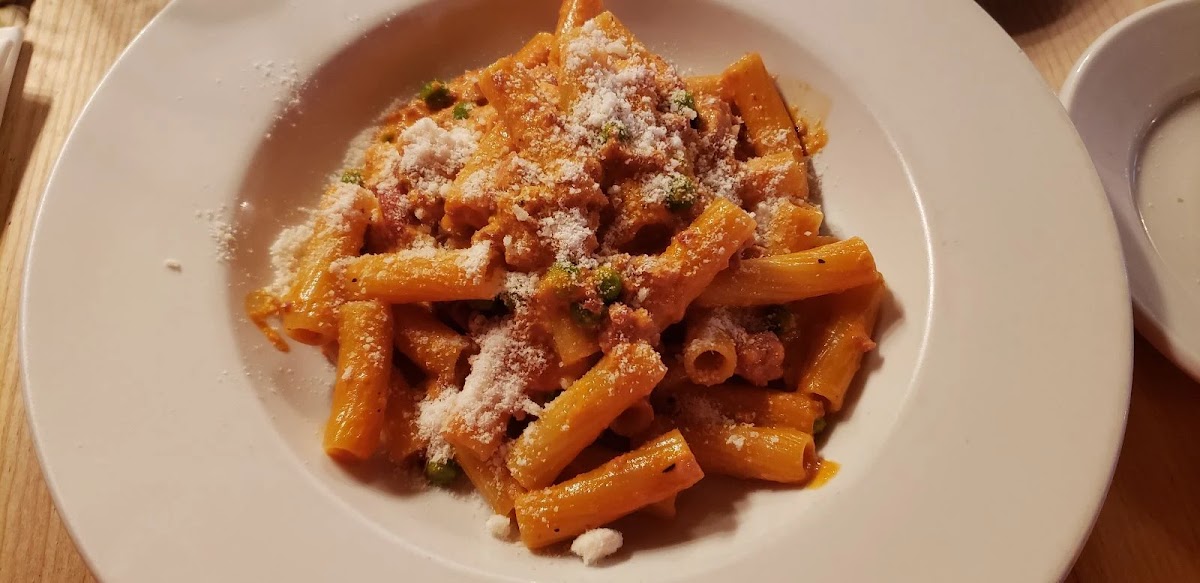
What makes this place different isn’t flashy décor or trendy cocktails. It’s the quiet confidence in the menu. The kitchen sticks to seasonal Italian comfort food, and that focus shows. Last fall I ordered their pumpkin ravioli, which the chef said is inspired by recipes from Emilia-Romagna. The filling had that subtle sweetness balanced with sage butter, and I later learned that the technique mirrors what Italian food historian Massimo Montanari often emphasizes in his lectures: let one ingredient shine rather than layering unnecessary flavors. That philosophy runs through nearly every plate here.
From a professional angle, I once interviewed a local nutritionist from UCSF who studies Mediterranean eating patterns. She pointed out that meals built around vegetables, olive oil, whole grains, and modest portions of cheese are linked to lower cardiovascular risk, citing long-term data from the Harvard T.H. Chan School of Public Health. Looking at Manzoni’s menu, you see those principles in action. Their grilled broccolini with lemon zest and their farro salad with cherry tomatoes aren’t just tasty sides; they’re examples of how Italian cuisine can be both comforting and balanced.
Friends who live nearby often joke that they don’t need to read reviews anymore because this diner has never let them down. One couple told me they celebrated their engagement here after a long Twin Peaks hike, ordering the slow-braised short ribs over polenta. The meat falls apart with a fork, but what stood out was the sauce-deep, winey, and clearly reduced for hours. That’s not something you rush, and it shows the kitchen respects old-school methods even in a casual setting.
I’ve also watched how the staff handles busy nights, which says a lot about trustworthiness. During a packed Friday, the POS system briefly went offline. Instead of chaos, the manager calmly took handwritten orders and comped a round of espresso to everyone waiting. No drama, no excuses. That kind of transparency builds loyalty faster than any flashy promotion.
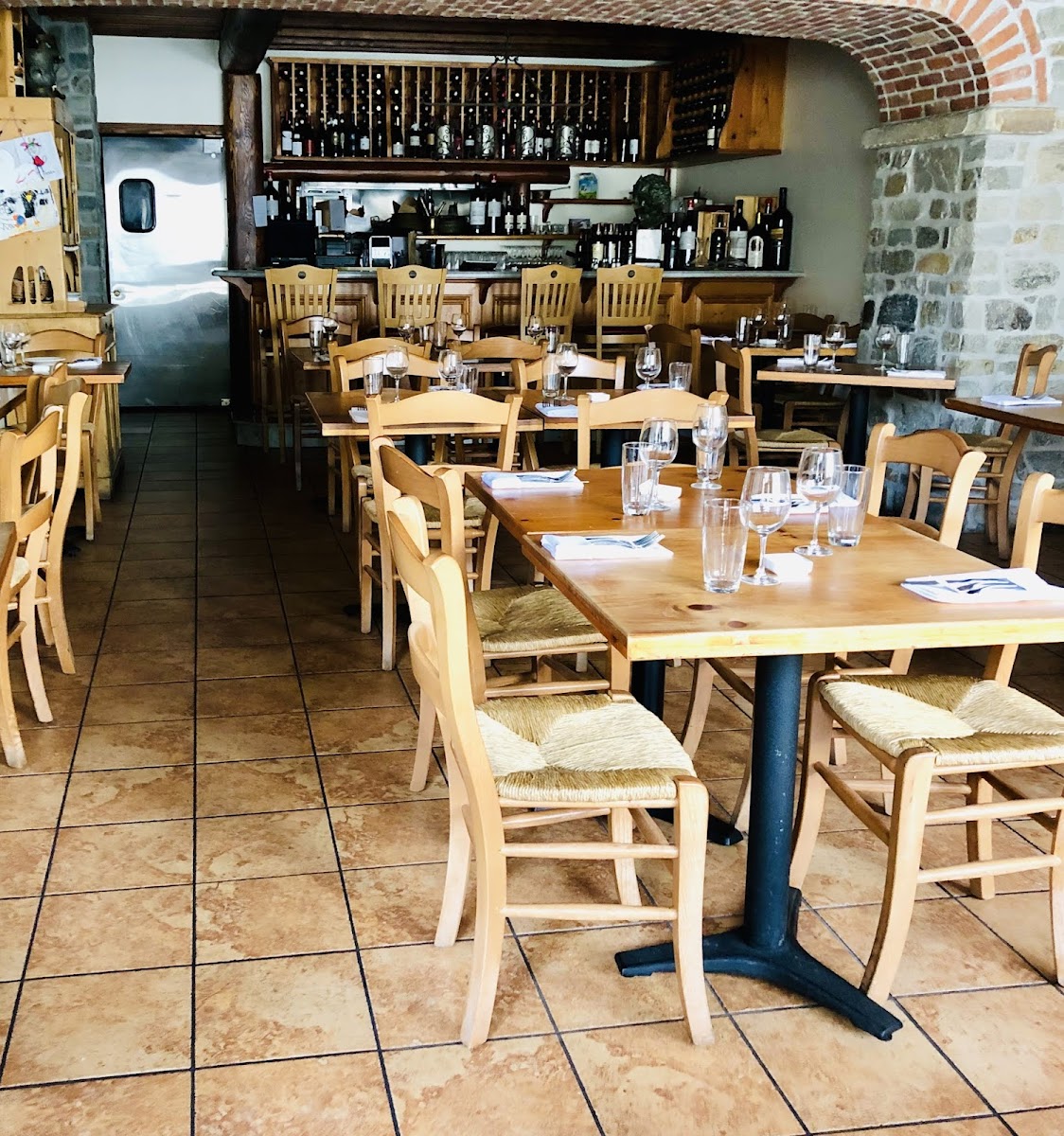
There are a few things to be aware of. The dining room is cozy, which is charming until it’s raining and everyone in Noe Valley seems to show up at once. Wait times can stretch past 40 minutes, and parking on Diamond Street is never guaranteed. That’s not a flaw of the restaurant itself, but it’s worth planning around, especially if you’re bringing kids or older relatives.
The most talked-about dish lately is their seasonal risotto, and the menu changes often enough that you never quite know which version you’ll get. In spring it leaned bright with asparagus and peas; in winter it turns earthy with porcini mushrooms. The chef once told me they test each batch with a simple method taught at the Culinary Institute of America: spoon the risotto onto a plate and gently tilt it-if it spreads slowly, not in a puddle, it’s done. That tiny detail explains why the texture is always spot-on.
It’s easy to see why locals leave glowing online comments, calling the place hidden gem in Noe Valley and best comfort Italian south of Market. Those phrases might sound over the top, but after a few visits they start to feel accurate. This isn’t a fine-dining temple, and it doesn’t try to be. It’s a reliable neighborhood spot where the food reflects real craft, the service feels human, and every meal tells you that someone in the kitchen genuinely cares.